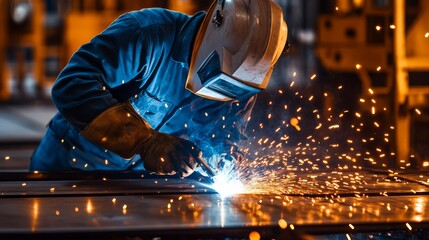
Boise Metal Fabrication is the process of creating products and structures through cutting, bending, and assembling metal raw materials. It typically involves three phases: Design, Fabrication and Installation.
Depending on the type of project, different fabrication methods may be required. Various factors influence the overall cost of a project, including material costs and time spent on fabrication techniques like laser cutting and precision machining.
Design
The design process is vital to metal fabrication, as it determines the quality and durability of the finished product. Fabricators must take into account the type of metal used, its malleability, and other qualities like strength and corrosion resistance before starting a project. The complexity of a piece of metal also influences the fabrication method, with intricate designs demanding more advanced techniques like CNC machining and laser cutting.
A key aspect of metal fabrication is welding, a complex and time-consuming process that requires precise skill to ensure the strongest, most reliable bond between two pieces of metal. Depending on the application, welding can be performed manually or with automated systems like robots. Industrial welding is a common practice in fields like construction, automotive, and appliance manufacturing, where metal components must be strong, durable, and safe.
Once a designer creates a blueprint for a metal fabrication project, fabricators use their expertise to produce the necessary elements. They consider everything from the desired thickness of the metal to the overall size and shape of the finished product. They may also incorporate different material types, like copper and aluminum alloys, into the final piece to add strength, conductivity, or aesthetic appeal.
There are several types of metal fabrication, each utilizing distinct tools and techniques to achieve the desired result. The first step involves cutting the metal to its desired dimensions, with manual methods like aviation snips and power-scissors still in use alongside more advanced tools like plasma and oxy-fuel torches. Oxy-fuel torches use pure oxygen, making them suitable only for metals that contain iron, while plasma torches generate extreme heat, capable of cutting through a metal plate up to three inches thick.
Other metal fabrication processes include punching, which is used to make holes in metal workpieces, ideal for high-volume production environments. Stamping uses presses to create patterns and textures in metal, a useful technique for creating aesthetically pleasing or functional products. And hammer forging shapes metal by applying successive blows, often used in unique or custom-shaped projects.
When shopping for a metal fabrication shop, it’s important to understand which services they offer in-house and which they outsource. Some shops will outsource the initial design process to a separate engineering firm, while others will handle every stage of the building and fabricating process in-house. It’s also important to find out whether the metal fabrication company is willing to modify a design to meet customer specifications.
Fabrication
The fabrication process transforms raw metal materials into finished products, based on the specifications of each project. Fabricators use techniques like cutting, stamping, forming and hole punching to manipulate metal into its final shape. They may also use additional processes like bending, shearing, embossing and coining to add texture and visual interest. In addition, the fabrication shop must have equipment and tools for handling each step of the process.
The first step in metal fabrication is cutting, which reduces the size of a piece of metal to create correctly sized and shaped pieces. Metal fabrication cuts can be done using lasers, saws or other cutting machines. Some cutting machines have a rotating blade that shapes metal, such as lathes, which are best for producing symmetrical components like rods and shafts.
Other reduction techniques include punching, which creates indents in the surface of the metal by leveraging a punch and die. This is typically used in high-volume production environments and can be performed on a variety of metals, from soft aluminum to tough steel. Punching leaves a raised portion of the metal, rather than removing material from the whole piece, which makes it ideal for creating complex shapes and eliminating wasted material.
Forming is the second step of metal fabrication, which focuses on bending or folding metal into its desired shape. It doesn’t cut or break the workpiece, unlike shearing, and doesn’t involve blows, as is the case with forging. Instead, a machine pinches the metal at a specified angle to create a bend in the workpiece.
Once the workpiece is shaped, it’s ready to undergo more complex processes to make it functional and durable. For example, fabricators may add threading or welding to the workpieces to ensure that they can be screwed together or attached to other objects. They may also apply finishing processes to ensure that the product functions properly and meets industry standards or certification requirements. Finally, they may mark or print the metal with measurements and other important information.
Assembly
Metal fabrication is a complex process that uses many different techniques to transform raw materials into finished products. Its complexities stem from the fact that it takes place in a diverse shop floor filled with tools for cutting, stamping, bending, hole punching, melting and coating.
To begin the fabrication process, a project’s design must be drawn out. While simple hand-drawn diagrams are sufficient for basic projects, more complex designs often require digital CAD files to ensure accuracy and optimize production. Once the design is finalized, it’s time to start cutting the metal. The cutting phase is an important one that breaks down the workpiece into manageable parts. Some common methods of cutting include sawing, shearing and laser cutting.
Once the workpiece is cut, it might need to be shaped. Bending stretches and deforms the metal, creating angles that are difficult or impossible to achieve by chopping. This process can be used on all types of metal but is most commonly applied to sheet or rolled metal. Other forming processes include shearing, notching and folding.
The forming process can also produce other shapes that don’t need to be cut, but instead must be bent into a specific configuration. For instance, metal can be shaped into a tube using a press brake. It can be formed into a curved shape by hand, but more efficiently using a machine.
Other specialized tools and methods might also be used to give the metal an aesthetic or structural finish. Notching, for example, is a method that removes material by creating multiple overlapping notches in the metal’s surface. This creates intricate cuts and angles that can’t be produced by shearing or chopping.
Another popular finishing process is powder coating, in which an electric charge is used to fuse dry powder onto the metal surface. This provides a layer of protection that’s stronger than paints or other finishes.
The assembling and finishing processes make sure that the assembled metal product functions properly and looks the way it was designed. During this stage, the piece might be powder coated or painted, and it may be heat treated to increase strength or plated with zinc for extra durability. It’s also at this stage that the metal might get stamped or printed with dimensions, company logos and other information.
Finishing
The finishing process puts the actual products or structures together. This may be done by bonding, screwing, riveting, or welding. The most common method is welding, which uses a gun that feeds a rod of metal to melt it onto the joint to form an almost permanent bond. It’s a very effective and durable method, but it does require some skill to do well.
This is where metal fabrication professionals shine. Welding is especially important for large, structural metal projects like airplanes and ships. These types of projects require more precise tolerances to make sure the parts fit together properly and work as intended. These larger projects also tend to have a longer production cycle, so it’s essential for the fabricator to be able to produce them on time and within budget.
Before any of this happens, though, a professional must start with a good design. This can be a hand-drawn diagram or digitally created using CAD software, depending on the project. From there, the fabricator can use a variety of methods to reduce and shape the raw materials. Some of these methods include shearing, blanking, punching holes, stamping, forming, cutting, machining, and casting.
Commercial metal fabrication is very common, and you’ll see fabricated metal in many different places. Some examples of this type of product include awnings, shelves, guardrails, sinks, and appliances. In general, these kinds of commercial products have less stringent specifications than structural or industrial ones. This is because they’re meant for public spaces and need to be attractive as well as functional.
For smaller, more flexible projects, the fabricator may need to apply a finishing technique for tight tolerances and a polished appearance. This might involve centerless grinding, a process that smoothes out the metal to remove any imperfections. It could also include powder coating, which is a non-toxic alternative to paint that creates a custom color and finish.