Battling a pest infestation is costly. Depending on the type and severity of the pest, treatment methods range from self-serve traps and encasements to professional heat and steam treatments and tented fumigations.
Physical techniques involve physically removing pests, such as picking caterpillars off plants or tilling soil to expose grubs. They are often cheaper than chemical treatments and appeal to eco-conscious customers. Click Here to learn more.
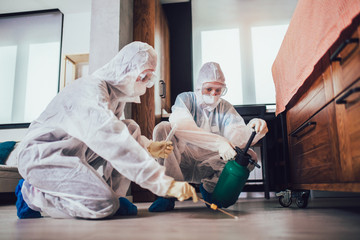
Cost of Infestations
Depending on the pest type and severity of an infestation, a number of factors will impact how much pest control services cost. Generally, the more extensive and widespread the problem, the more it will cost to eradicate the pests. This is because a more serious infestation requires more time, products and treatments. Different pests also require different treatment methods and equipment, which can increase costs. For example, a simple spray and vacuuming may not be enough to tackle a rodent infestation, which often involves deep nests in the walls and other hard-to-reach areas. Similarly, more specialized treatment options like heat or fumigation treatments for bed bugs typically cost more than conventional baits and sprays.
In addition to the cost of eradicating the pests, some pest infestations can damage the home or business and require costly repairs. This can be especially true for termite and rodent infestations. Additionally, a pest infestation can decrease the value of a property, making it harder to sell.
As a result, it’s important to take preventive measures to avoid pest infestations in the first place. This includes regular inspections and prevention services from a trusted pest control company. These services can reduce the risk of infestation and help homeowners and businesses save money in the long run by preventing costly damage.
The cost of pest control varies based on the type and severity of the pest problem, the square footage of the home and yard, the number of treatments needed and other factors. However, a general rule of thumb is that it costs about $100-$260 to treat an average residential property for one-time service. For more information about how pest control prices are determined, speak to a local professional for an accurate, personalized quote.
Cost of Treatments
The type and severity of pest infestation affects the overall cost of treatment. For example, a mild ant problem can be resolved using inexpensive DIY products, while eradicating a serious termite or bed bug infestation requires more costly chemicals and specialized treatments. In addition, more extensive infestations may require longer treatment timelines and repeat follow-up visits, increasing the total cost of the service.
The treatment method also influences the cost of the service. For example, physical trapping such as snap traps and glue traps is generally cheaper than a chemical spray or vacuuming, but it can be ineffective if the pests are deeply embedded in the home. In addition, more elaborate methods such as fumigation or termite baiting are more expensive but are often more effective at eliminating pests.
Another important factor to consider is the size of the property and the number of pests. Larger homes typically have more space for pests to hide, so they’re more difficult to treat and can require more frequent follow-up services. In addition, pests can be more difficult to remove from hard-to-reach places such as attics and walls.
Ongoing maintenance plans can be more expensive than one-time pest control treatments, as they require more time and resources to manage. However, these services are necessary to ensure that pests don’t return.
Other factors that influence the cost of pest control include travel costs, labor, and the cost of special equipment. In addition, pest control companies must pay for office supplies, safety gear, equipment rental, and truck maintenance.
Finally, some pests can cause damage to the home that requires repair. Additionally, exclusion services are often required to seal entry points and prevent pests from re-entering the home. These costs can add up quickly and increase the overall cost of the service.
In addition to these core factors, pest control pricing can vary depending on local factors such as weather, competition, and availability of treatment options. To ensure that your prices are competitive, consider providing a free inspection and consultation to potential customers before charging them for a service.
Cost of Equipment
Purchasing and maintaining pest control equipment is one of the most expensive operational costs, with sprayers, safety gear, and traps accounting for a significant portion of total investment. These tools enable technicians to carry out thorough and effective treatment services. Without them, clients would be unable to receive the full benefits of your services and may not trust that they are receiving a fair price.
The type and severity of the pest infestation also influences cost. Some pests are relatively easy to treat, while others, like bed bugs or termites, can require specialized treatment methods and a longer treatment timeline to eradicate them completely. In addition, more extensive treatment methods such as heat treatments and tented fumigation carry higher prices because of the labor and specialized equipment needed to execute them effectively.
Regional and seasonal factors can also influence pest control prices, with cities and warmer climates commanding higher service prices than smaller towns or rural areas. Supply chain disruptions and tariff-induced price increases can also impact the overall price of materials and equipment. When choosing a pricing model, it is important to balance these factors with the needs of your target market and value-added offerings to ensure long-term profitability.
Overhead expenses also factor into pest control costs, including rent, office utilities, payroll, marketing, insurance, and vehicle expenses. Overhead costs can vary based on the size of your business, so it’s important to accurately measure and track your expenses and sales to establish your breakeven point.
In addition, a strong pest control software system can improve productivity and reduce friction points that slow down the service process. For example, paper forms can cause errors in scheduling or paperwork may be lost between the field and the office. A robust software solution streamlines these processes, ensuring the right technician is dispatched to the correct account and all necessary information is captured before sending the invoice to your customer.
Setting fair and competitive pest control prices is critical to building a lasting client base and increasing revenue for your company. By calculating your operational costs, establishing the right pricing model, and adjusting prices on a regular basis, you can protect your profit margins while delivering exceptional service.
Cost of Labor
The cost of labor is a key factor in pest control pricing. The more time technicians spend treating an infestation, the higher the bill. Labor costs also depend on the pest type and treatment method. Simple treatments, such as rodent trapping and cockroach spraying, tend to be less expensive than chemical extermination. Infestations of harder-to-get-rid-of pests, like bed bugs and termites, typically require specialized chemical treatments that take longer to execute.
In addition to direct labor costs, pest control companies must pay for office supplies, marketing and advertising, accounting services, and insurance. These indirect costs make up a significant portion of total operating expenses.
Another factor that affects pest control prices is the break-even point, or the level of pest population density at which it becomes cost-effective to control them. The break-even point is defined as the population density at which the cost of controlling pests equals or exceeds the damage they inflict on crops, property, and products. This threshold is determined by a number of factors, including the cost of controlling pests and the value of the commodities that they damage.
Pests can cause costly damage to business operations, leading to increased cleaning, maintenance, and shutdowns. These extra costs can significantly increase operational costs and reduce revenue, making proactive pest control an important investment for businesses. The monetary impact of pest infestations can even be felt by customers, leading to customer dissatisfaction and turnover.
Aside from the obvious costs of pest control, businesses must also consider indirect costs such as loss of productivity and lower sales. Additionally, many pests spread bacteria and diseases that can be dangerous to employees or patrons.
Considering all of the factors that influence pest control costs, businesses must carefully determine the right pricing strategy for their services. In some cases, it may be necessary to raise prices during peak demand periods or at contract renewals. Other times, it may be more effective to implement gradual increases so that customers can adjust to the changes. By implementing these strategies, pest control companies can ensure that their pricing is competitive and profitable.