
Landscaping

How Landscaping Services Improve Property Value

Oahu Landscaping Services

Oahu Landscaping Services boosts both curb appeal and resale value. They do this by incorporating features that are attractive and functional, such as energy-efficient plantings that reduce cooling costs and evergreen shrubs that protect against winter winds.

Landscapers also offer hardscaping, which is the permanent components of a garden such as patios that provide a comfortable spot to relax, walkways to safely guide visitors and retaining walls to solve drainage issues.

Enhances Curb Appeal

A well-landscaped property creates a strong first impression on visitors, setting the stage for a positive experience. From a home buyer’s perspective, a well-maintained front yard is one of the most important factors in determining a home’s value. In fact, studies show that homes with attractive landscaping appraise for more than those without.

A professional landscaper can transform your property with design, installation, and maintenance services. They’ll bring your vision to life and create a beautiful outdoor space that can be enjoyed for years to come.

Residential curb appeal landscaping services focus on the front of your home, creating a dramatic visual effect that draws the eye and creates a welcoming entryway. Eye-catching plantings can include blooming perennials like Black-eyed Susans or purple coneflower, or shrubs like hydrangeas and pyracanthus. Landscaping professionals can also add interest with hardscape elements, like retaining walls, patios, fences, and garden structures.

Commercial curb appeal landscaping includes the design and maintenance of outdoor spaces for offices, retail buildings, restaurants, and other commercial facilities. A well-maintained commercial landscape increases professionalism and demonstrates that the business cares about its image. Landscaping services for commercial properties can include sod installation, water management, seasonal clean-ups, pruning, mulching, and weed removal.

In addition to flowers, trees, and shrubs, commercial landscapes often feature hardscape elements like pathways and paving materials that enhance the look of a property while offering functional benefits. For example, using a natural stone paver walkway is a durable and aesthetically appealing option. It also requires less maintenance than a poured-in-place sidewalk.

Landscapers can also install and maintain irrigation systems to ensure that plants receive the proper amount of water. They may also create and maintain gardens, lawns, and beds by using native plants that thrive in the local climate and soil conditions. These plants will require less water and maintenance than non-native varieties, and they’ll provide consistent color throughout the year.

A landscape that incorporates a variety of plant species and colors creates a rich, inviting aesthetic. Adding organic mulch to tree rings and garden beds offers a pleasing appearance and helps the soil retain moisture while providing essential nutrients to the plants.

Increases Property Value

Investing in landscaping upgrades offers significant return on investment (ROI). At Zimmerman Mulch, we’ve been in the business for 27 years, and our experience is in line with studies that indicate well-designed landscapes enhance property value.

A quality landscaper uses plants, soil, hardscaping elements like walkways and patios, and water features to design functional outdoor spaces that reflect a client’s tastes and complement the natural environment. Landscapers are skilled at creating visual appeal, but they also know how to plan for long-term sustainability, ensuring that the landscaping will remain appealing and functional for as long as the property is owned.

Functional outdoor spaces increase property value by offering additional areas for relaxation, entertainment, and family activities. A paved walkway provides a convenient path to the front door, a backyard patio offers space for entertaining, and retaining walls create a designer look for sloped yards.

Professional landscaping services can help you create a functional and attractive outdoor space that will set your home apart from the competition. If you’re thinking about selling your property in the future, a well-groomed yard will make it easier to attract buyers and fetch a higher price on the market.

Landscaping upgrades can help to reduce energy costs, a key factor in determining home value. For example, strategically placed trees and shrubs provide shade that lowers cooling bills in summer, while evergreens act as windbreaks to reduce heating expenses in winter. This eco-friendly approach to landscape design is becoming more popular with buyers and can help set your home apart in the market.

Proper landscaping can also increase a home’s safety and security. For instance, well-placed bushes and shrubs provide privacy and deter intruders. In addition, a properly-installed drainage system prevents standing water that can damage your yard, foundation, and home.

In addition, a reputable landscaping service will ensure that all work performed meets both local and state regulations. This will protect the property owner from liability issues and potential fines.

Increases Resale Value

As homeowners know, regular lawn care and landscaping maintenance can keep properties in tip-top shape. In many cases, well-maintained homes with beautiful landscaping sell faster and at a higher price than homes that are neglected. This is because potential buyers see the lush greenery and well-kept yard as an indication of how much care was put into the property, making it more appealing and worth the investment.

A weed-ridden front lawn and overgrown shrubs can deter a potential buyer, leaving them with a negative first impression of the home. However, a professional landscaper can help to remedy these issues with routine mowing, pruning, and annual mulch applications. Additionally, if you have a sloping yard, a professional can help to prevent soil erosion and offer solutions like retaining walls that add interest and function to the space.

Thoughtful landscaping can increase a property’s value in other ways, too. For example, strategically planted trees and evergreen shrubs can provide natural shade, reducing energy costs in the summer. And, in the winter, these plants can act as windbreaks, lowering heating bills. These types of eco-friendly features are increasingly sought after by potential buyers, making them a great way to boost a property’s appeal and resale value.

Hardscapes, such as patios, walkways, and driveways, are also a great way to add value to your property. For instance, a paved walkway creates a welcoming entryway, while a new backyard patio can be the perfect place to entertain guests. In addition, a professional landscaping service can install various hardscapes that are more durable and low-maintenance than concrete options, offering the same aesthetic with an increased lifespan and resale value.

Landscaping services can make or break a home’s curb appeal and, in turn, its resale value. But, if you’re not ready to sell your home in the near future, there are several other ways to improve your curb appeal and your property’s value without spending a fortune. From planting new flowers to upgrading your driveway, there are a variety of projects that can make a significant difference in your home’s appearance and resale value.

Increases Home Value

The average homeowner often focuses on kitchen and bathroom upgrades to increase home value, but landscaping also provides a significant return on investment. Studies have shown that well-maintained, attractive landscaping increases real estate values by 7% or more, while unattractive landscapes can decrease property value by as much as 30%.

In addition to adding aesthetics, good landscaping can make a home more energy efficient, helping lower utility costs. Well-placed trees can provide shade and reduce wind speed around the house, while lush green lawns and shrubbery can help retain moisture during droughts.

Hardscapes such as patios, walkways, fire pits, and water features are high on the list of desirable landscaping features for prospective buyers. These outdoor living spaces are ideal for entertaining, relaxing, and spending time with family and friends. A professional lawn care or landscaping service can install these elements with a cohesive design that enhances the look of your yard and complements your home’s architecture.

Water features like fountains, ponds, and streams add a sense of calm to your backyard and create a beautiful focal point that will attract potential buyers. However, it is important to consult with a landscaping service to ensure these features are properly installed and maintained to avoid costly repair bills down the road.

Overgrown trees, weeds, and other plants can distract from the beauty of your landscape and detract from the overall curb appeal. A landscaping service can ensure your yard is mowed, edged, and free of overgrowth to create a clean, well-maintained appearance.

Adding features such as a pool or outdoor kitchen can help you sell your home faster and at a higher price, especially if they are well-designed and professionally-installed. However, you should be aware that these features can be expensive and require regular maintenance. A reputable lawn care or landscaping service can advise you on the best options to maximize your budget and boost resale value.

At Zimmerman Mulch, we have 27 years of experience in the landscaping industry and agree with the research that shows that a well-maintained, quality yard can increase your real estate value by up to 7%. Contact us today to learn more about how we can improve your landscaping to increase your home’s resale value.
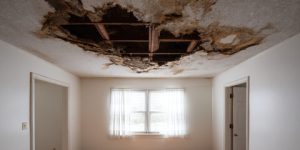

Water Damage

Reliable Water Damage Remediation Solutions to Prevent Mold and Structural Damage

Water damage is one of the most serious challenges a property owner can face. Whether caused by burst pipes, leaking appliances, natural flooding, or roof leaks, the consequences can extend far beyond visible wet surfaces. Water can seep into walls, flooring, insulation, and structural elements, leading to severe damage if left untreated.

Over time, moisture can foster mold growth, compromise building integrity, and create hazardous living or working conditions. Reliable Water Damage Remediation Salt Lake City solutions are essential to address these issues comprehensively, ensuring both immediate recovery and long-term protection.

water damage

Understanding the Risks of Water Damage

Water damage is more than a cosmetic problem. The presence of excess water can trigger a cascade of issues that affect both the safety and value of a property. Key risks include:

  • Structural Compromise: Water can weaken wood, drywall, and subflooring, potentially causing warping, sagging, or even structural failure over time.
  • Mold and Mildew Growth: Damp conditions are ideal for microbial proliferation. Mold can begin developing within 24 to 48 hours, posing health risks such as allergies, respiratory issues, and infections.
  • Electrical Hazards: Water intrusion near electrical systems can increase the risk of short circuits or fire.
  • Property Loss: Furniture, electronics, personal belongings, and important documents are at risk of permanent damage without prompt intervention.

The hidden nature of many water damage issues makes professional remediation critical. Surface drying alone is rarely sufficient, as unseen moisture can continue to compromise materials and promote mold growth.


Common Causes of Water Damage

Water damage can stem from multiple sources, each requiring a unique remediation approach:

  1. Plumbing Failures: Burst pipes, leaking faucets, and faulty water heaters can release substantial volumes of water.
  2. Appliance Malfunctions: Overflows from washing machines, dishwashers, and refrigerators can cause localized flooding.
  3. Roof Leaks: Damaged shingles, aging flashing, or clogged gutters allow water to penetrate ceilings and walls.
  4. Natural Flooding: Heavy rains, storms, or overflowing water bodies can inundate properties.
  5. Sewer Backups: Contaminated water from blocked or damaged sewer lines requires specialized cleaning and sanitization.

Reliable water damage remediation solutions address all these scenarios, focusing on rapid response, thorough cleanup, and prevention of secondary issues such as mold growth and structural decay.


The Importance of Timely Water Damage Remediation

Time is a crucial factor in minimizing the impact of water damage. Delayed action can exacerbate the problem, increasing repair costs and health risks. Benefits of immediate remediation include:

  • Reduced Structural Damage: Early water removal prevents prolonged exposure that can compromise foundations, walls, and flooring.
  • Prevention of Mold Growth: Mold can begin forming in as little as 24 hours after water exposure. Prompt remediation significantly reduces this risk.
  • Enhanced Safety: Removing standing water and addressing moisture prevents slips, electrical hazards, and microbial contamination.
  • Cost Savings: Immediate response often lowers the extent of repairs and reduces the need for full replacement of damaged materials.

Reliable remediation services emphasize rapid assessment and action, ensuring the property is stabilized and protected as quickly as possible.


The Professional Water Damage Remediation Process

Effective water damage remediation follows a structured, multi-step approach to ensure comprehensive recovery:

1. Damage Assessment and Inspection

The process begins with a thorough inspection of the affected property. Professionals identify the source of the water intrusion, the extent of visible and hidden damage, and the type of water involved—clean, gray, or black water—which determines the level of remediation required. Advanced tools like moisture meters, infrared cameras, and hygrometers detect hidden moisture behind walls, under floors, and within insulation.

2. Water Extraction

Once the extent of the damage is established, standing water is removed using industrial-grade pumps and high-capacity vacuums. Fast water extraction is essential to prevent structural deterioration and reduce the risk of microbial growth. The speed and efficiency of this step often determine the success of the overall remediation.

3. Drying and Dehumidification

After extraction, affected areas are thoroughly dried using air movers, dehumidifiers, and other specialized equipment. Proper drying eliminates residual moisture that could cause swelling, warping, or cracking of building materials. Continuous monitoring of moisture levels ensures that hidden areas, such as wall cavities and subflooring, are completely dry.

4. Cleaning and Sanitization

Water damage frequently leaves behind contaminants, debris, and odors. Professional remediation includes deep cleaning and sanitization to restore a safe and hygienic environment. For contaminated water incidents, specialized cleaning agents neutralize bacteria, viruses, and pathogens, protecting the health of occupants.

5. Structural Repairs and Restoration

The final stage involves repairing or replacing damaged materials, including drywall, flooring, insulation, and other structural components. The goal is to restore the property to its pre-damage condition while reinforcing durability and ensuring safety.


Preventing Mold After Water Damage

Mold growth is one of the most critical concerns following water damage. Mold not only destroys materials but also poses serious health risks, including respiratory problems, allergies, and infections. Reliable remediation solutions prioritize mold prevention through:

  • Immediate Water Removal: Eliminates the moisture that fuels mold growth.
  • Complete Drying: Ensures that all areas, including hidden spaces, are moisture-free.
  • Sanitization: Eliminates existing spores and prevents further contamination.
  • Post-Remediation Monitoring: Confirms that moisture levels remain safe, preventing delayed mold development.

By addressing both water removal and mold prevention, professional remediation protects both property and occupant health.


Health and Safety Considerations

Water damage can create multiple health hazards. Contaminated water, especially from sewer backups or floodwaters, may contain bacteria, viruses, and harmful chemicals. Mold and mildew affect indoor air quality and can exacerbate respiratory issues.

Professional remediation services ensure health and safety by:

  • Using personal protective equipment (PPE) during cleanup.
  • Isolating affected areas to prevent cross-contamination.
  • Following industry standards for the handling of hazardous water and materials.

This systematic approach minimizes exposure risks while restoring the property safely and efficiently.


Residential Water Damage Remediation

Homes are especially susceptible to water damage due to daily water usage, plumbing systems, and personal belongings. Residential remediation focuses on:

  • Salvaging personal items and furniture.
  • Restoring structural elements such as walls, ceilings, and flooring.
  • Ensuring a safe, hygienic, and comfortable living environment.

Prompt professional remediation reduces disruptions to daily life and prevents long-term damage that could affect property value.


Commercial Water Damage Remediation

Commercial properties face unique challenges. Water damage can disrupt operations, compromise inventory, and affect employee and client safety. Professional commercial remediation emphasizes:

  • Rapid response to minimize downtime and revenue loss.
  • Comprehensive restoration to preserve structural integrity and valuable assets.
  • Efficient cleanup to allow businesses to resume operations safely.

Reliable remediation services help commercial property owners protect their investments while maintaining safe and functional work environments.


Advanced Equipment and Expertise

Professional water damage remediation solutions use advanced tools and technology to achieve effective results. Moisture meters, thermal imaging cameras, industrial dehumidifiers, and high-capacity water extractors allow technicians to detect hidden damage, remove water efficiently, and dry structures completely.

Combined with trained professionals who understand how different materials respond to water exposure, this expertise ensures complete remediation and reduces the risk of recurring issues.


Preventive Measures for Future Water Damage

Preventing water damage is as important as remediation. Property owners can take proactive steps to reduce the risk of future incidents:

  1. Regular Inspections: Check plumbing, roofing, and drainage systems for wear and potential leaks.
  2. Routine Maintenance: Clear gutters, repair minor leaks, and replace aging fixtures.
  3. Waterproofing: Apply sealants or reinforce basements, foundations, and vulnerable areas.
  4. Monitoring Systems: Use sensors or alarms to detect leaks early and prevent significant damage.

Combining preventive measures with professional remediation ensures long-term protection against water damage and mold development.


Choosing Reliable Water Damage Remediation Services

Selecting a professional remediation provider is critical for complete recovery. Reliable services offer:

  • Fast Response: Quick action to limit damage and prevent mold growth.
  • Comprehensive Solutions: Assessment, extraction, drying, cleaning, and structural restoration.
  • Advanced Technology: Industrial-grade equipment for efficient and thorough remediation.
  • Certified Technicians: Skilled experts trained in water damage protocols and safety.
  • Transparent Communication: Clear guidance on the process, expected timeline, and costs.

Engaging reputable professionals ensures that water damage is handled efficiently, safely, and completely.


Long-Term Benefits of Professional Remediation

Investing in reliable water damage remediation provides long-term benefits, including:

  • Preservation of structural integrity.
  • Prevention of recurring water damage and mold growth.
  • Protection of personal property and assets.
  • Improved safety and indoor air quality.
  • Maintenance of property value.

Professional remediation guarantees not only immediate recovery but also the long-term health and durability of the property.


Water damage is a serious threat to any property, with consequences that range from structural compromise to mold growth and health hazards. Reliable water damage remediation solutions provide a systematic, efficient approach to restore properties fully and safely.

By combining rapid response, advanced equipment, thorough drying and sanitization, and skilled repairs, professional remediation ensures that properties are returned to their pre-damage condition while preventing secondary issues. Homeowners and commercial property owners alike benefit from faster recovery times, minimized damage, and peace of mind knowing their property is fully restored and protected against future incidents.

With professional water damage remediation, complete property recovery is achievable, safeguarding both the physical integrity of the building and the health and safety of its occupants.

Pest Control

Factors That Affect Pest Control Cost

Battling a pest infestation is costly. Depending on the type and severity of the pest, treatment methods range from self-serve traps and encasements to professional heat and steam treatments and tented fumigations.

Physical techniques involve physically removing pests, such as picking caterpillars off plants or tilling soil to expose grubs. They are often cheaper than chemical treatments and appeal to eco-conscious customers. Click Here to learn more.

Pest Control

Cost of Infestations

Depending on the pest type and severity of an infestation, a number of factors will impact how much pest control services cost. Generally, the more extensive and widespread the problem, the more it will cost to eradicate the pests. This is because a more serious infestation requires more time, products and treatments. Different pests also require different treatment methods and equipment, which can increase costs. For example, a simple spray and vacuuming may not be enough to tackle a rodent infestation, which often involves deep nests in the walls and other hard-to-reach areas. Similarly, more specialized treatment options like heat or fumigation treatments for bed bugs typically cost more than conventional baits and sprays.

In addition to the cost of eradicating the pests, some pest infestations can damage the home or business and require costly repairs. This can be especially true for termite and rodent infestations. Additionally, a pest infestation can decrease the value of a property, making it harder to sell.

As a result, it’s important to take preventive measures to avoid pest infestations in the first place. This includes regular inspections and prevention services from a trusted pest control company. These services can reduce the risk of infestation and help homeowners and businesses save money in the long run by preventing costly damage.

The cost of pest control varies based on the type and severity of the pest problem, the square footage of the home and yard, the number of treatments needed and other factors. However, a general rule of thumb is that it costs about $100-$260 to treat an average residential property for one-time service. For more information about how pest control prices are determined, speak to a local professional for an accurate, personalized quote.

Cost of Treatments

The type and severity of pest infestation affects the overall cost of treatment. For example, a mild ant problem can be resolved using inexpensive DIY products, while eradicating a serious termite or bed bug infestation requires more costly chemicals and specialized treatments. In addition, more extensive infestations may require longer treatment timelines and repeat follow-up visits, increasing the total cost of the service.

The treatment method also influences the cost of the service. For example, physical trapping such as snap traps and glue traps is generally cheaper than a chemical spray or vacuuming, but it can be ineffective if the pests are deeply embedded in the home. In addition, more elaborate methods such as fumigation or termite baiting are more expensive but are often more effective at eliminating pests.

Another important factor to consider is the size of the property and the number of pests. Larger homes typically have more space for pests to hide, so they’re more difficult to treat and can require more frequent follow-up services. In addition, pests can be more difficult to remove from hard-to-reach places such as attics and walls.

Ongoing maintenance plans can be more expensive than one-time pest control treatments, as they require more time and resources to manage. However, these services are necessary to ensure that pests don’t return.

Other factors that influence the cost of pest control include travel costs, labor, and the cost of special equipment. In addition, pest control companies must pay for office supplies, safety gear, equipment rental, and truck maintenance.

Finally, some pests can cause damage to the home that requires repair. Additionally, exclusion services are often required to seal entry points and prevent pests from re-entering the home. These costs can add up quickly and increase the overall cost of the service.

In addition to these core factors, pest control pricing can vary depending on local factors such as weather, competition, and availability of treatment options. To ensure that your prices are competitive, consider providing a free inspection and consultation to potential customers before charging them for a service.

Cost of Equipment

Purchasing and maintaining pest control equipment is one of the most expensive operational costs, with sprayers, safety gear, and traps accounting for a significant portion of total investment. These tools enable technicians to carry out thorough and effective treatment services. Without them, clients would be unable to receive the full benefits of your services and may not trust that they are receiving a fair price.

The type and severity of the pest infestation also influences cost. Some pests are relatively easy to treat, while others, like bed bugs or termites, can require specialized treatment methods and a longer treatment timeline to eradicate them completely. In addition, more extensive treatment methods such as heat treatments and tented fumigation carry higher prices because of the labor and specialized equipment needed to execute them effectively.

Regional and seasonal factors can also influence pest control prices, with cities and warmer climates commanding higher service prices than smaller towns or rural areas. Supply chain disruptions and tariff-induced price increases can also impact the overall price of materials and equipment. When choosing a pricing model, it is important to balance these factors with the needs of your target market and value-added offerings to ensure long-term profitability.

Overhead expenses also factor into pest control costs, including rent, office utilities, payroll, marketing, insurance, and vehicle expenses. Overhead costs can vary based on the size of your business, so it’s important to accurately measure and track your expenses and sales to establish your breakeven point.

In addition, a strong pest control software system can improve productivity and reduce friction points that slow down the service process. For example, paper forms can cause errors in scheduling or paperwork may be lost between the field and the office. A robust software solution streamlines these processes, ensuring the right technician is dispatched to the correct account and all necessary information is captured before sending the invoice to your customer.

Setting fair and competitive pest control prices is critical to building a lasting client base and increasing revenue for your company. By calculating your operational costs, establishing the right pricing model, and adjusting prices on a regular basis, you can protect your profit margins while delivering exceptional service.

Cost of Labor

The cost of labor is a key factor in pest control pricing. The more time technicians spend treating an infestation, the higher the bill. Labor costs also depend on the pest type and treatment method. Simple treatments, such as rodent trapping and cockroach spraying, tend to be less expensive than chemical extermination. Infestations of harder-to-get-rid-of pests, like bed bugs and termites, typically require specialized chemical treatments that take longer to execute.

In addition to direct labor costs, pest control companies must pay for office supplies, marketing and advertising, accounting services, and insurance. These indirect costs make up a significant portion of total operating expenses.

Another factor that affects pest control prices is the break-even point, or the level of pest population density at which it becomes cost-effective to control them. The break-even point is defined as the population density at which the cost of controlling pests equals or exceeds the damage they inflict on crops, property, and products. This threshold is determined by a number of factors, including the cost of controlling pests and the value of the commodities that they damage.

Pests can cause costly damage to business operations, leading to increased cleaning, maintenance, and shutdowns. These extra costs can significantly increase operational costs and reduce revenue, making proactive pest control an important investment for businesses. The monetary impact of pest infestations can even be felt by customers, leading to customer dissatisfaction and turnover.

Aside from the obvious costs of pest control, businesses must also consider indirect costs such as loss of productivity and lower sales. Additionally, many pests spread bacteria and diseases that can be dangerous to employees or patrons.

Considering all of the factors that influence pest control costs, businesses must carefully determine the right pricing strategy for their services. In some cases, it may be necessary to raise prices during peak demand periods or at contract renewals. Other times, it may be more effective to implement gradual increases so that customers can adjust to the changes. By implementing these strategies, pest control companies can ensure that their pricing is competitive and profitable.