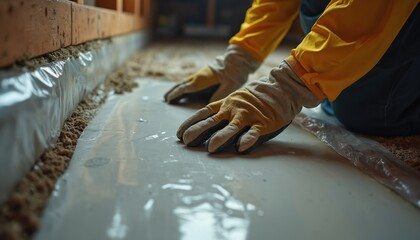
Foundation Repair

Top Signs Your Home May Need Foundation Repair

Foundation Repair Greensboro NC

Foundation problems often go unnoticed until they cause serious damage, but early detection can help prevent the need for costly repairs. Even minor shifts in your home’s structure require professional evaluation.

Walk around the perimeter of your home to locate soft areas. This may indicate shifting soil or a sagging foundation. Visit Foundation Repair Greensboro NC for more details.

Cracks in Walls or Floors

If you notice cracks in the walls or floors of your home, it’s important to know what they mean. Depending on the size and nature of the cracks, they may be signs of foundation problems or they could be cosmetic issues that you can repair yourself. If the cracks reopen or widen after they’ve been patched, it could be a sign that the cracks are a structural issue that needs to be addressed.

Hairline cracks in drywall can be a normal part of the natural settling of newer buildings. This shifting occurs as building materials expand and contract due to changes in temperature and humidity levels. Cracks can also occur because of poor construction techniques, such as improperly taped drywall joints or shrinkage in concrete foundation walls.

Generally, horizontal cracks in the wall or floor are more serious and are likely caused by movement of soil or pressure on the foundation from underground forces. These cracks are more noticeable than vertical cracks and need to be assessed by a professional right away.

If you decide to sell your home in the future, be honest about the condition of the foundation. Addressing the problem early will ensure that buyers feel confident in the integrity of your home’s foundation and can put you in a stronger negotiating position. Plus, you’ll be able to show potential buyers the receipts, warranties, and inspection reports for the repairs, which will give them peace of mind. And if you’re thinking of renting out your property, it’s better to have your foundation repaired than to attempt to hide the problem from potential tenants. Today’s technologies like carbon fiber and foam injection can solve even the most severe foundation problems, so don’t wait until you’re ready to sell your property.

Uneven or Sagging Floors

It’s not uncommon for homeowners to fear that their homes’ foundation is in trouble. After all, foundation issues can lead to costly repairs and unsafe living conditions. However, many of these problems are easier to detect than you might think. By paying attention to early warning signs, you can keep small problems from becoming large ones.

Uneven floors are a clear sign that your home’s foundation has shifted or settled. You can check for this by walking around the outside of your house to see if you can feel any soft spots or sinking. If you can, it is important to have this issue addressed as soon as possible. Uneven floors are a tripping risk for children and seniors, and they can also create an opening for moisture or pests to enter your home.

Another indicator that your foundation may be in trouble is wide cracks in drywall or ceilings. While some hairline cracks are a normal part of home settling, wide cracks are a much more serious problem and can indicate that your foundation is shifting.

As soil moves, and your foundation shifts, it can pull the walls of your home away from one another. This can lead to gaps between your windows and doors, or even separated cabinets. If you notice any of these issues, you should have your foundation inspected as soon as possible to prevent further damage.

Uneven floors, cracks in drywall, and sticking windows or doors are all early warning signs that you need to have your foundation repaired. Having these issues repaired as quickly as possible can help to keep them from getting worse and save you a lot of money in the long run.

Sticky Windows or Doors

Sticking windows or doors are a common symptom of foundation problems that should not be ignored. Even though a little lubrication or tightening the screws can temporarily resolve the problem, it should be addressed as soon as possible to avoid serious issues down the road. The underlying cause of sticking doors or windows is either due to foundation settlement or compromised crawl space support.

As a home settles over time, it sinks into the soil underneath in uneven patterns, which throws off the geometry of the structure, including its frames for doors and windows. This creates misalignment, which makes it hard to open and close the doors or windows smoothly. It’s also common for windows to become stuck if the frames shift, which makes them more difficult to lock properly.

Humid weather can also make doors or windows stick because wood absorbs moisture and swells, which causes them to be more resistant to movement. But if the humidity doesn’t explain the issue, a foundation repair specialist should be called to inspect the home.

Foundation problems won’t get better or less expensive with time, so it’s crucial to catch them as early as possible to prevent more serious damage. If you’re noticing hairline cracks in your walls or floors, a clogged gutter, or sagging or uneven floors, contact a professional near Tampa for a foundation repair consultation. It may just be a matter of adjusting the level of support, which can usually be done with push piers or Helical piers. This method involves drilling steel piers into the ground beneath your house’s foundation, which helps raise it back to its original level. This fixes the problem for good without requiring major excavation.

Bowing Walls

Bowing walls can be a significant problem, and the sooner you address them the better. They indicate that the foundation has become unbalanced and is under stress. The problem may be caused by hydrostatic pressure or shrinkage of the soil around the house. Often, these problems are exacerbated by poor drainage and inadequate grading. If not addressed, the bowing will continue and lead to structural damage.

A musty smell in crawl spaces or basements indicates that there is a lot of moisture in the ground under your house. This is not a good thing because it can cause mold and mildew, which in turn causes skin irritation, sneezing, runny nose, and respiratory problems. In addition, excessive moisture in your home’s crawl space can cause wood rot, which can attract termites and lead to extensive damage to the structure of your house.

It is important to note that many foundation problems do not show any visible signs, and they can be difficult to diagnose. If you notice any of the early warning signs, however, it is critical to have them inspected by a professional foundation repair contractor right away. The longer you wait, the worse these issues will get and the more expensive they will be to repair. Choosing an engineer-recommended company is also important because they will provide tailored solutions to your specific problems, rather than a one-size-fits-all fix that won’t be effective in the long run. They will also offer a warranty on their work, which will give you peace of mind knowing that the repairs will be permanent.

Stagnant Water

Foundation repairs are expensive, but they can also protect the safety and value of your home. Regular inspections and attention to early warning signs can prevent minor problems from escalating into major structural issues that require costly repair work.

One of the earliest signs that you may need to have your foundation repaired is stagnant water around your home. Stagnant water is a dangerous breeding ground for bacteria, insects, and mold. It can also damage your home by causing wood rot and encouraging the growth of fungus and mildew that can lead to respiratory problems. Stagnant water can also corrode metal pipes in your home, which is especially dangerous for pipes that carry potable water.

Stagnant water can also result from a shift in the soil beneath your home, which is common in Texas, where heavy rainfall and improper drainage provisioning can cause the soil to expand and put pressure on your foundation. This type of shifting is often accompanied by other warning signs, such as cracks in walls and floors or doors or windows that don’t open or close properly.

If you’re experiencing any of the above symptoms, it’s a good idea to schedule a professional inspection as soon as possible. A foundation specialist will be able to diagnose the problem and determine what steps to take next. Don’t forget to check the outside of your home, too! Poor landscaping can also add to foundation problems, as soil erosion and tree roots can put pressure on your foundation. A professional can help you correct these issues by installing proper drainage systems and ensuring that the soil isn’t too compacted. They can also recommend ways to manage the vegetation and trees on your property, which can make a huge difference in reducing moisture problems that can impact your foundation.
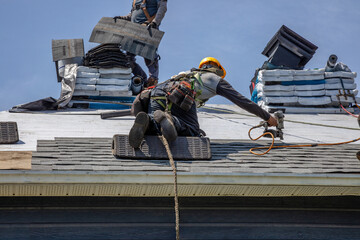
Roofing

Roof Replacement vs Roof Repair: How to Make the Right Decision

roofer

A sturdy roof is one of the most critical components of any building. It protects the structure and its occupants from the elements, contributes to energy efficiency, and enhances the overall appearance of the property. However, over time, even the strongest roofs can experience wear and tear.

When issues arise, homeowners often face a crucial question: should they repair the roof or replace it entirely? Understanding the differences, costs, and long-term implications of roof repair and replacement is essential to making the right decision. Contact Cedar Park Roof Repair for more details.

Understanding Roof Repair

Roof repair involves fixing specific areas of a roof that are damaged or leaking, without replacing the entire structure. Repairs can range from minor patching to more extensive work addressing structural issues. Common roof problems that require repair include:

  • Leaks and Water Damage: Water infiltration can damage insulation, ceilings, and walls. Minor leaks can often be repaired by replacing shingles, sealing joints, or patching the affected area.
  • Damaged Shingles or Tiles: Wind, hail, or falling debris can damage individual shingles or tiles. Replacing only the damaged units is a cost-effective solution.
  • Flashing Issues: Flashing around chimneys, vents, and skylights can deteriorate, allowing water to seep into the roof. Repairing or replacing flashing can prevent larger problems.
  • Small Structural Damage: Minor sagging, loose boards, or gutter misalignment can often be corrected without a full roof replacement.

Advantages of Roof Repair

  1. Cost-Effective: Repairing a roof is usually less expensive than a full replacement, especially if the damage is localized.
  2. Time-Saving: Repairs can often be completed within a few hours to a couple of days, depending on the extent of the damage.
  3. Extended Roof Life: Regular maintenance and timely repairs can extend the life of an existing roof by several years.
  4. Minimizes Waste: Since repairs do not require removing the entire roof, they are more environmentally friendly, reducing construction waste.

Limitations of Roof Repair

  1. Temporary Solution: While repairs can fix immediate problems, they may not address underlying issues.
  2. Multiple Repairs Over Time: If the roof is old or has recurring problems, frequent repairs can add up and become costly.
  3. Limited Warranty Coverage: Repair work may not come with a long-term warranty, leaving homeowners responsible for future issues.

Understanding Roof Replacement

Roof replacement involves removing the existing roof and installing a new one. This process addresses structural, aesthetic, and functional issues, giving the home a fresh start. Roof replacement may be necessary when:

  • Extensive Damage Exists: Large sections of the roof are damaged, or the damage is widespread due to storms, aging, or poor installation.
  • The Roof Is Aging: Most roofs have a lifespan of 20-30 years, depending on materials. Once a roof reaches the end of its life, replacement is often more cost-effective than continuous repairs.
  • Energy Efficiency Improvements Are Needed: Modern roofing materials offer better insulation and energy efficiency. Replacing an old roof can reduce heating and cooling costs.
  • Structural Concerns Are Present: Severe sagging, rot, or water damage may compromise the roof’s integrity, making replacement the safest option.

Advantages of Roof Replacement

  1. Long-Term Solution: A new roof provides peace of mind and protects the home for decades.
  2. Enhanced Property Value: A fully replaced roof improves curb appeal and can increase resale value.
  3. Improved Energy Efficiency: New materials and insulation techniques help reduce energy consumption.
  4. Warranty Coverage: Roof replacement often comes with long-term warranties, covering materials and workmanship.

Limitations of Roof Replacement

  1. Higher Upfront Cost: Replacement is a significant investment, often several times the cost of a repair.
  2. Time-Consuming: Depending on the roof size and material, replacement can take several days to weeks.
  3. Disruption: Removing and replacing a roof can be noisy and disruptive to daily life.

Factors to Consider When Deciding Between Repair and Replacement

Choosing between roof repair and replacement requires careful evaluation of several factors. Consider the following before making a decision:

1. Age of the Roof

The age of your roof is a crucial determinant. Most roofing materials, such as asphalt shingles, last 20-25 years. If your roof is approaching the end of its lifespan, multiple repairs may not be cost-effective. In such cases, replacement may provide better long-term value.

2. Extent of Damage

Assess the severity of the damage. A small leak or a few missing shingles can often be repaired. However, if damage is widespread, covering multiple sections of the roof, replacement may be the only viable option.

3. Cost Comparison

While repairs are cheaper upfront, repeated repairs can become expensive over time. Calculate the cost of current repairs versus replacement, considering the roof’s remaining lifespan. Sometimes, spending more initially on a replacement saves money in the long run.

4. Roof Material

Some roofing materials, like slate or tile, are more durable and can last longer. Minor repairs may be practical. For materials with shorter lifespans, like asphalt shingles, replacement may be more sensible after significant wear.

5. Energy Efficiency

Older roofs may lack modern insulation or reflective coatings. Replacement allows for upgraded materials, potentially lowering energy bills and increasing comfort.

6. Safety Concerns

If the roof has structural damage, water intrusion, or extensive rot, repairs may not address safety risks. In such cases, replacement is the safer choice for protecting the home and its occupants.

7. Aesthetic Goals

If your roof has multiple mismatched patches due to repeated repairs, replacement offers a uniform, visually appealing look. It also provides an opportunity to update the roof’s color or style.

Signs That Roof Repair May Be Sufficient

If the following signs are present, repair is likely the better option:

  • Small, localized leaks
  • Missing or damaged shingles in limited areas
  • Minor flashing issues
  • Occasional ponding water on flat roofs
  • Recent installation of a roof with minor defects

Timely repair of these issues can prevent further damage and extend the roof’s lifespan.

Signs That Roof Replacement Is Necessary

Replacement may be the best solution if you notice:

  • Widespread leaks or water damage
  • Large sections of shingles or tiles missing
  • Structural sagging or rotting
  • Age-related deterioration exceeding 20-25 years
  • Frequent and recurring repairs
  • Severe storm or hail damage

Addressing these problems with repairs alone may provide only a temporary fix and could lead to higher costs in the future.

Making the Decision: Repair or Replace?

Ultimately, the decision to repair or replace a roof depends on a combination of factors:

  • Budget: Consider both immediate costs and long-term value.
  • Roof Condition: Inspect the roof thoroughly for visible damage and signs of aging.
  • Safety: Prioritize the structural integrity and safety of your home.
  • Future Plans: If you plan to stay in the home for many years, replacement may offer better long-term benefits.

It is often helpful to consult a professional roofing contractor who can assess the roof’s condition and provide an unbiased recommendation. They can identify hidden issues, estimate costs accurately, and advise on the most practical solution.

Preventive Maintenance to Extend Roof Life

Whether you choose repair or replacement, regular roof maintenance is essential to protect your investment:

  • Routine Inspections: Conduct inspections at least twice a year and after major storms.
  • Gutter Cleaning: Clear debris to prevent water accumulation and leaks.
  • Prompt Repairs: Address minor issues before they escalate.
  • Proper Ventilation: Ensure adequate attic ventilation to prevent moisture buildup.
  • Regular Cleaning: Remove moss, algae, and debris to prevent shingle damage.

Proactive maintenance can significantly extend the lifespan of a roof and reduce the need for costly repairs or premature replacement.

Conclusion

Deciding between roof repair and roof replacement is not always straightforward. Repairs are cost-effective and practical for minor, localized issues, while replacement offers a long-term solution for aging or extensively damaged roofs. By evaluating the age, condition, cost, safety, and aesthetic goals, homeowners can make informed decisions that protect their home and investment. Regular maintenance, timely repairs, and professional assessments are key strategies to ensure your roof continues to perform effectively and provide peace of mind for years to come.